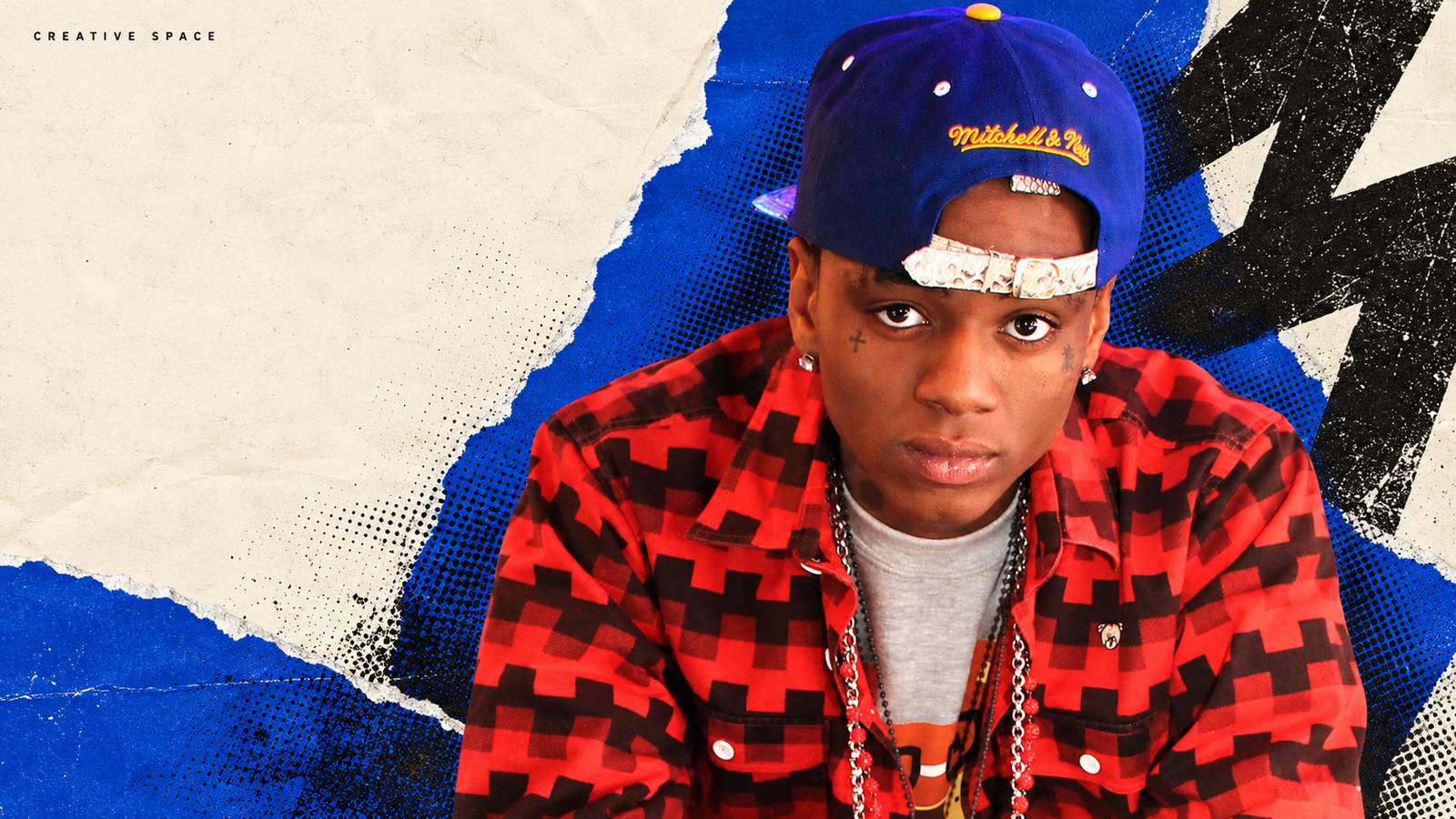
Portrait by Arialyssa, CC BY 3.0. Background and layout include AI-assisted modifications.
“Soulja Boy for president?” He has teased a possible 2028 run, according to TMZ. That is not an officially declared campaign.
For independent artists, there’s another conversation worth having: once people are paying attention, what gives them a reason to hear your music?
A headline can put your name in front of someone. Turning that moment into a listener takes something else—a song they can find, an experience they want to join, and a reason to come back.
Soulja Boy’s early career offers a useful case study. Long before today’s short-form release campaigns, he was working across music-sharing sites and giving audiences something to do with a record beyond pressing play.
Table of Contents
Soulja Boy for president: the music-marketing connection
In an August 2007 interview, later republished by DJBooth, Soulja Boy described the internet as a major part of his early success. He also discussed building songs around dances and other actions people could repeat. He credited Cash Camp with creating part of the “Crank That” dance.
That detail matters. The audience had an invitation: learn it, perform it, put your own version into the world.
Our takeaway isn’t that every artist needs choreography. It’s that a record can give people a way to participate.
For a producer, that could mean demonstrating a drum pattern and inviting another musician to add a bassline. For a songwriter, it could be a harmony with room for someone else’s voice. For an artist, it might be a recognizable moment in the chorus that people can interpret in their own way.
The invitation should be specific enough to understand immediately. Which part of the record are we using? What can someone contribute? Where does their version connect back to the song?
You’re designing an experience around the music—not assigning your audience a promotional chore.
Every platform needs a job
In a 2009 HHC interview, Soulja Boy identified YouTube, MySpace and SoundClick as parts of his early online presence.
The platforms have changed. The planning question still holds: what is each place doing for the record?
A short clip can introduce a moment. A full performance can show what the song becomes beyond that excerpt. A release page can help someone choose where to listen. An email list can give interested listeners a way to hear about the next release.
Posting everywhere is less useful when every post sends people into a dead end.
Try the route on your own phone. Watch the clip. Open the profile. Tap the link. Find the track.
If the link leads to an old release, a crowded homepage or a list that requires guessing, you’ve added friction at the exact moment someone was willing to listen.
Producers and songwriters need this clarity too. Tell people whether they’re hearing a released record, an available beat or a work in progress. Make the next step match what you showed them.
Give people a reason to return
Discovery is one moment. A relationship with a listener develops over several.
Someone who likes a chorus today may want the full song tomorrow. Someone who enjoys the record may want to know when you perform, who produced it or what you’re working on next.
Give that curiosity somewhere to go.
An artist-controlled website and permission-based email list can provide a consistent destination. Our music-business resources offer a place to continue learning. The offer should be clear: new releases, occasional demos, show announcements or another experience you can actually maintain.
Let people listen before asking them to sign up. Explain what they’ll receive. Make opting out straightforward.
The point is to make reconnecting easy, rather than depending entirely on another post finding the same person.
Views are the beginning of the measurement
A clip with a large view count has attracted attention. It hasn’t necessarily created the same number of listeners.
Look at the next steps where your tools provide them: Did people visit the release page? Did they click through to the song? Did listening platforms report saves or returning listeners? Did anyone come back for the next release?
These measurements won’t reveal every person’s journey, and a rise in streams doesn’t prove that one particular post caused it. But they can help you locate the weak point.
If people watch but rarely reach the recording, check the invitation and listening link. If they reach the page but don’t continue, check whether the featured song is obvious.
The useful lesson here is bigger than a presidential headline: attention gives you an opening. Your release strategy determines what people can do with it.
When someone discovers your next song, have you made it easy to participate, listen and return?